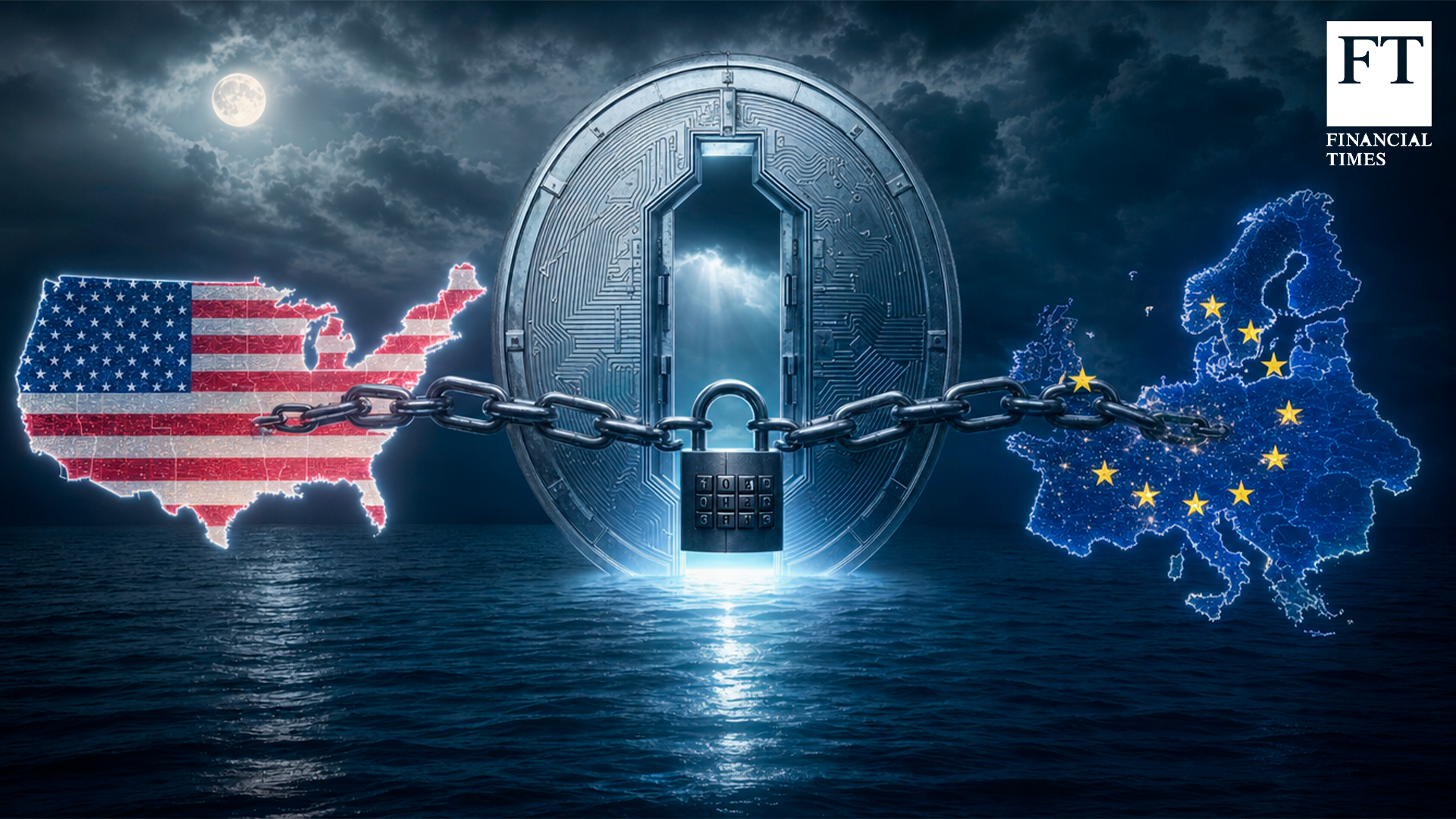
Trade relations between the United States and the European Union have long been among the strongest in the world. However, in recent years, tensions have been rising, with both sides increasingly turning to tariffs and trade policies to protect their economic interests. This has sparked concerns about a potential tariff war that could impact global markets.
What Is a Tariff War?
A tariff war occurs when countries impose taxes on each other’s imports in response to trade disputes. These measures are often used to protect domestic industries, but they can also lead to retaliation, creating a cycle of escalating trade barriers.
While tariffs can benefit local producers, they often come at a cost:
- Higher prices for consumers
- Reduced international trade
- Strained political relationships
Why Are the U.S. and Europe in Conflict?
The current tensions are driven by several key issues:
1. Industrial Policies
The U.S. has introduced programs to support domestic manufacturing, especially in sectors like green energy and electric vehicles. European leaders argue that these policies give American companies an unfair advantage.
2. Steel and Aluminum Tariffs
Previous U.S. tariffs on European metals led to countermeasures from the EU, affecting billions of dollars in trade.
3. Technology and Regulation
Differences in how both sides regulate major tech companies have added another layer of conflict.
Key Sectors at Risk
If the situation escalates, several industries could be heavily affected:
- Automotive industry, particularly electric vehicles
- Energy and green technology
- Agriculture and food exports
- Industrial materials like steel and aluminum
These sectors are deeply interconnected across the Atlantic, meaning tariffs can quickly disrupt supply chains.
Global Economic Impact
A tariff war between two of the world’s largest economies would not stay local—it would have global consequences:
- Rising costs for businesses and consumers
- Market uncertainty affecting investments
- Slower economic growth
- Disruptions in global supply chains
Even countries not directly involved could feel the effects.
Possible Scenarios
Experts see several possible outcomes:
1. Limited Tariffs
Both sides introduce targeted tariffs but avoid a full-scale conflict.
2. Escalation
Retaliatory measures increase, expanding the conflict across multiple industries.
3. Negotiation and Compromise
Diplomatic efforts lead to agreements that reduce tensions.
4. Full Trade War
A broader and more damaging scenario affecting global markets.
The Bigger Picture
This conflict is not just about trade—it’s also about global influence. Both the U.S. and Europe are trying to strengthen their economies while competing with other major players like China.
Tariffs have become a strategic tool in this broader competition.
Conclusion
The growing tariff tensions between the United States and the European Union highlight the challenges of balancing economic protection with global cooperation. While a full-scale trade war is not inevitable, the risks are real.
For businesses, investors, and consumers, the outcome of this conflict could shape prices, opportunities, and economic stability for years to come.