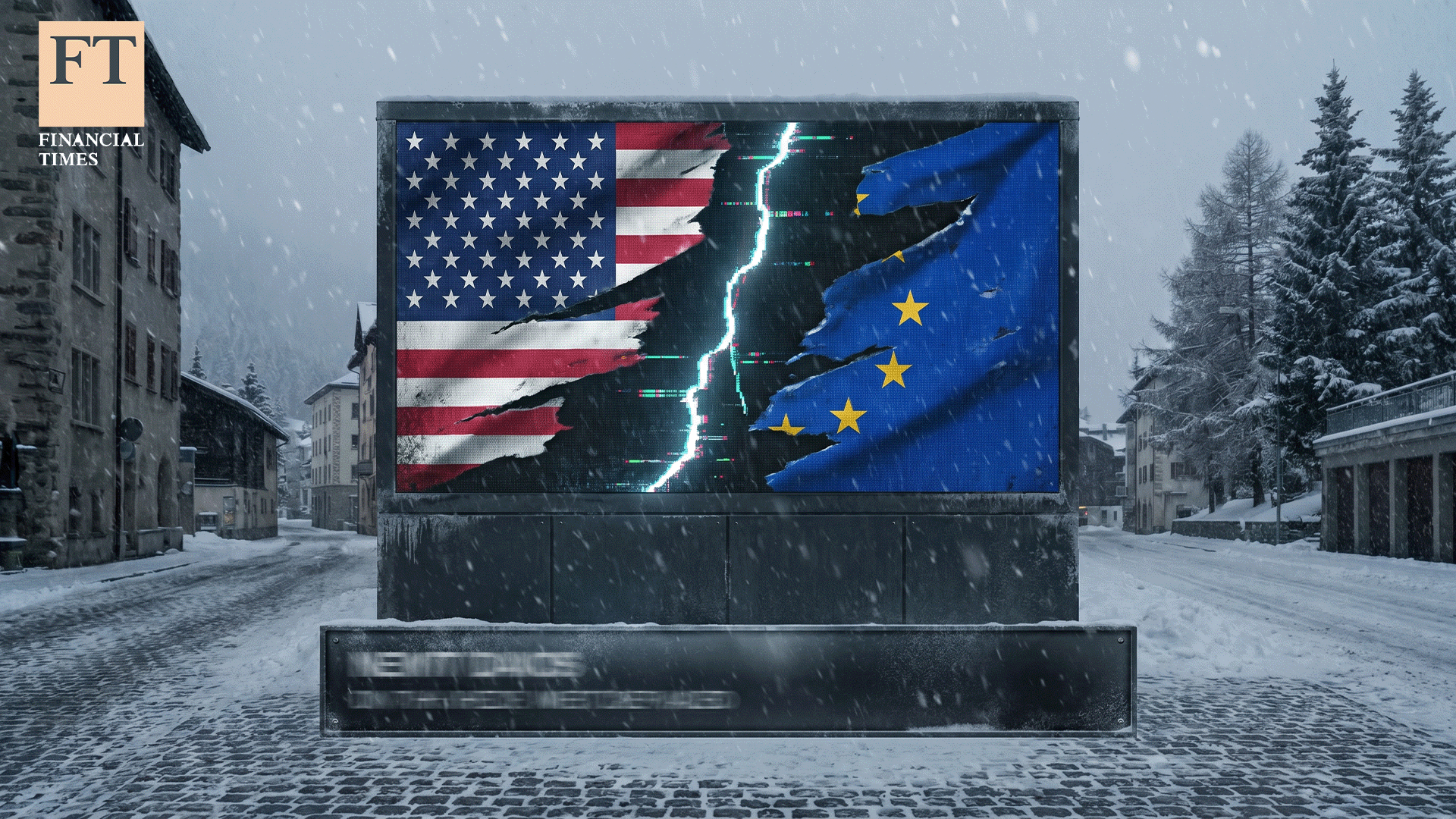
Trade relations between the United States and the European Union have long been a cornerstone of the global economy. However, in recent years, tariffs and trade disputes have once again come into focus, raising concerns about a potential economic confrontation between two of the world’s largest markets.
What Are Tariffs and Why Do They Matter?
Tariffs are taxes imposed on imported goods. Governments use them to protect domestic industries, respond to unfair trade practices, or gain leverage in negotiations.
While tariffs can support local businesses, they often come with side effects:
- Higher prices for consumers
- Strained international relations
- Disruptions in global supply chains
The Source of U.S.–EU Trade Tensions
Tensions between the U.S. and Europe have been driven by disagreements over several key issues:
- Industrial subsidies: U.S. policies supporting domestic manufacturing, especially in green energy and electric vehicles, have raised concerns in Europe.
- Steel and aluminum tariffs: Previous U.S. tariffs on European metals triggered retaliation from the EU.
- Digital and tech regulations: Differences in how both sides regulate technology companies have added pressure to trade relations.
These disagreements have created a complex environment where both sides seek to protect their economic interests.
Key Industries Affected
If tariff tensions escalate, several sectors could face major impact:
- Automotive industry — particularly electric vehicles
- Energy and green technology
- Agriculture and food exports
- Industrial materials like steel and aluminum
These industries are deeply interconnected across the Atlantic, meaning tariffs can quickly ripple through supply chains.
Economic Impact
A tariff conflict between the United States and the European Union could have wide-reaching consequences:
- Increased costs for businesses and consumers
- Reduced trade volumes between two major economic powers
- Market uncertainty, affecting investments and growth
- Global spillover effects, impacting other economies
Even limited tariffs can create uncertainty that slows down economic activity.
Possible Scenarios
Experts suggest several possible outcomes:
1. Controlled Tensions
Both sides introduce limited tariffs but avoid a full-scale trade war, keeping negotiations open.
2. Retaliation Cycle
Each side responds with counter-tariffs, escalating the conflict and affecting more industries.
3. Negotiated Agreement
Diplomatic efforts lead to compromises, easing tensions and stabilizing trade.
4. Broader Trade Conflict
A more serious scenario where tariffs expand significantly, disrupting global markets.
The Bigger Picture
Trade tensions are not only about economics—they are also about strategy. Both the U.S. and EU are trying to strengthen their industries and reduce dependence on external powers like China.
This makes tariffs part of a larger global competition over technology, resources, and influence.
Conclusion
While a full-scale tariff war between the United States and Europe is not guaranteed, tensions remain high. The outcome will depend on political decisions, economic priorities, and the ability of both sides to find common ground.
For businesses and consumers, one thing is clear: tariffs are more than just policy—they directly shape prices, opportunities, and the future of global trade.